When Does Winter Start? What the Winter Solstice Means
Prepared with guidance from more than 30 years of professional television meteorology and weather-communication experience.
The 2026 winter solstice occurs on December 21. Here is what happens astronomically, why it produces the shortest day and how it differs from meteorological winter.
When does winter begin in 2026?
Astronomical winter begins in the Northern Hemisphere with the winter solstice on Monday, December 21, 2026. The precise moment of the solstice occurs at 2:50 p.m. Central Standard Time, or 20:50 UTC. At that instant, the Northern Hemisphere reaches its maximum seasonal tilt away from the Sun.
The solstice is a specific astronomical moment, even though we commonly refer to the entire day as the first day of winter.
What happens during the winter solstice?
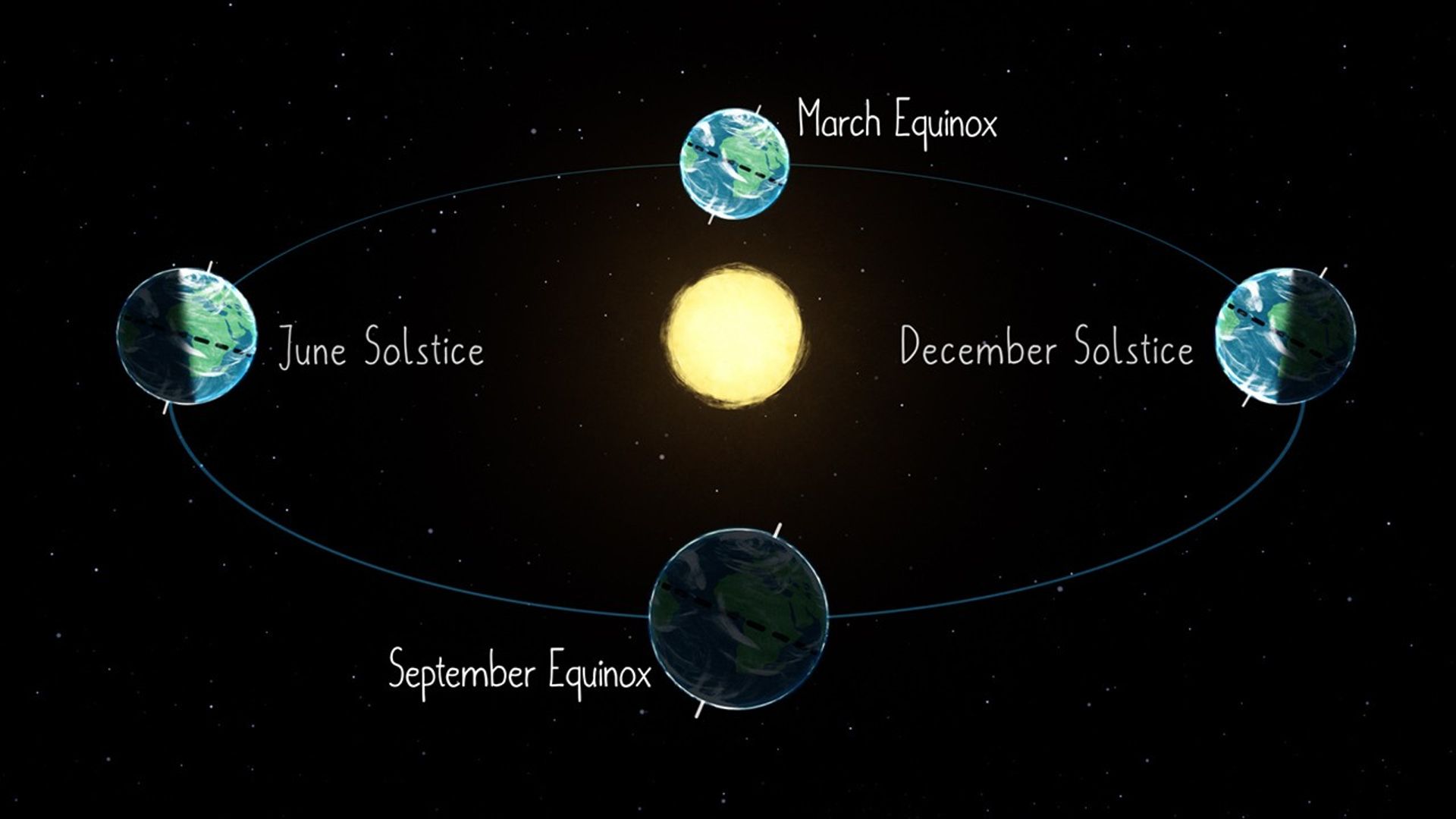
Earth’s rotational axis is tilted approximately 23.5 degrees relative to its orbit around the Sun. As Earth travels around the Sun, this tilt changes how directly sunlight reaches each hemisphere.
During the December solstice, the Sun’s most direct rays are positioned over the Tropic of Capricorn, approximately 23.5 degrees south of the equator. The Northern Hemisphere is tilted away from the Sun, producing its lowest midday Sun angle and shortest period of daylight of the year.
The Southern Hemisphere experiences the opposite. Its December solstice begins astronomical summer and produces its longest period of daylight.
Why does the solstice date vary?
The winter solstice usually occurs on December 21 or December 22, but it does not happen at exactly the same time each year. Earth takes approximately 365 days and six hours to complete an orbit around the Sun. Our ordinary calendar contains 365 days, with leap years periodically adding another day to keep the calendar aligned with Earth’s orbit.
Because the calendar and the astronomical year are not identical, the precise moment of the solstice shifts from year to year.
Astronomical winter versus meteorological winter
Astronomical winter begins at the solstice and ends at the March equinox. Its dates are based on Earth’s position relative to the Sun.
Meteorological winter always includes December, January and February. Meteorologists use these fixed three-month seasons because they make weather observations, climate averages and year-to-year comparisons easier to organize. Meteorological winter therefore begins on December 1, while astronomical winter begins about three weeks later.
Is the solstice also the earliest sunset?
Not necessarily. The winter solstice has the least total daylight, but the earliest sunset generally occurs before the solstice. The latest sunrise generally occurs afterward. This happens because clock time and apparent solar time do not remain perfectly aligned throughout the year.
The exact dates of the earliest sunset and latest sunrise also depend on latitude.
What happens after the solstice?
Daylight begins increasing after the winter solstice, but the change is initially subtle. The increase becomes more noticeable as winter progresses toward the March equinox.
Temperatures can continue falling well after the solstice because the atmosphere, land and oceans respond gradually to the season’s reduced solar energy. This delayed response is one reason January is typically colder than December across much of the United States, even though daylight is already increasing.
The solstice does not represent the coldest moment of winter. It marks the turning point when the Northern Hemisphere begins its gradual return toward longer days.